

"Where are we on PQC?" sounds like a simple board question, and most security leaders find it surprisingly hard to answer, because the cryptography that needs to change is spread across applications, cloud services, certificates and third-party connections that no single team owns. PQC readiness gives you a way to answer it with evidence. It shows how prepared your organization is to move to post-quantum cryptography (PQC), where the biggest gaps are and what to fix first. Below we cover what readiness means for an enterprise, what an assessment should look at, which metrics show progress, and how to run an assessment that starts with business risk and then gets to the technical scan.
Key Takeaways
- PQC readiness measures the business. It tells you how prepared your most important applications and data are, which matters far more to the board than a count of algorithms found.
- Effective assessments work top-down first, starting with business risk and then connecting it to the cryptography each application relies on.
- A handful of consistent metrics (coverage, exposure, vendor readiness and progress by business unit) allows you to report the same answer in the same structure every quarter.
- Readiness moves in stages, from awareness through inventory and planning to active remediation, and eventually posture management and crypto-agility.
- Reassessment never really stops, since standards, deadlines and your own estate keep changing.
What Is PQC Readiness
PQC readiness is the degree to which an organization can protect its data and systems once today's public-key cryptography stops being safe. RSA and elliptic-curve algorithms protect almost every connection, certificate and signature in the enterprise, and a future quantum computer could break them; the day that happens is usually called Q-Day.
The exposure starts well before Q-Day. In a harvest now, decrypt later (HNDL) attack, adversaries capture encrypted traffic today and decrypt it once they're able to, so any data that has to stay confidential for years is already at risk if it moves over quantum-vulnerable connections.
Being "ready" doesn't require every algorithm to be replaced. For an enterprise it usually comes down to five conditions:
- You have a current inventory of the cryptography in use and know which applications depend on it.
- Every finding is tied to business impact, so priorities are clear and you can defend them.
- High-risk items are being fixed in phased waves, with owners and dates.
- When a new standard or deadline lands, you can respond without starting over.
- You can show regulators, auditors and customers where you stand against the standards and deadlines that apply to you, with evidence behind it.
The standards you need to act on already exist. NIST published its first PQC standards in August 2024, and in October 2026 it finalized NIST IR 8547, which deprecates quantum-vulnerable public-key algorithms after 2030 and disallows them after 2035. Readiness is how you show relevant stakeholders you're on a credible path to those dates.
What a PQC Readiness Assessment Covers
A PQC readiness assessment gives you a baseline to work from. The most useful ones start with the business and work down to the cryptography, which means the results make sense to the C-level executives and to engineering teams alike. A thorough assessment looks at five areas:
- Business applications and data. List the applications and shared platforms that matter most, with their owners, criticality, data sensitivity and how long each type of data has to stay confidential. Customer records and intellectual property often need protection well past 2030, which makes them prime HNDL targets.
- Regulatory and contractual exposure. Note which applications fall under specific regulations or customer commitments, since these often set deadlines more than any technical factor does.
- Cryptographic assets. This covers TLS and SSH configurations, certificates and chains, keys, PKI and issuing CAs, libraries in code and cloud connection settings. Teams often capture the output as a CBOM (Cryptographic Bill of Materials), a structured inventory of the cryptography in use.
- Third-party dependencies, meaning the external connections that carry sensitive data and whatever each vendor has committed to on PQC.
- Organizational readiness. Check for a named PQC owner, a budget line, a governance model and enough people to do the work. Many enterprises set up a Cryptography Center of Excellence (CCoE), a cross-functional team that owns cryptographic strategy and policy.
What you want at the end is one view that connects each business application to the cryptography underneath it, scored by risk.
How to Measure PQC Readiness
A single readiness score on its own hides too much. At minimum, prefer tracking a short set of metrics and report them the same way every quarter, so progress is easy to compare over time.
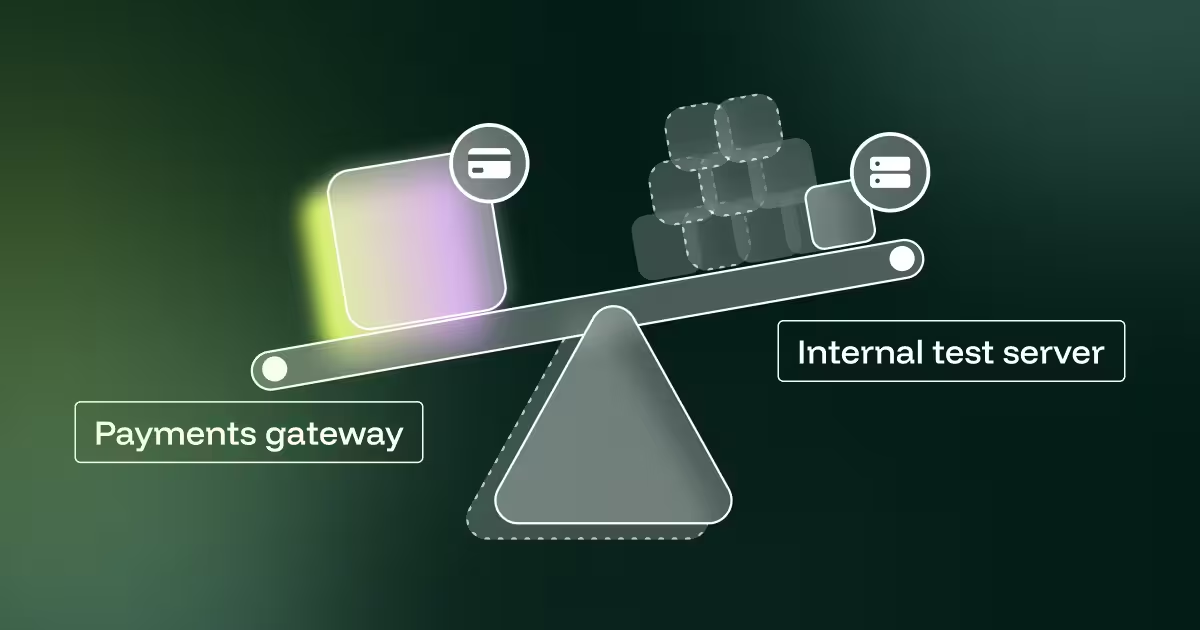
Two principles keep these numbers honest. Count a finding as closed only once the fix is validated, since a ticket marked done proves very little, and weigh every metric by business impact, because one vulnerable certificate on your payments gateway matters more than ten on an internal test server.
Reporting by business unit or application instead of by asset count also gives the CISO a clear, repeatable answer about which parts of the business are quantum-safe, which are in progress and what comes next.
The Stages of PQC Readiness
Readiness models vary, but most enterprises go through roughly five stages, and knowing which one you're in tells you what to do next.
- Aware. Leadership understands the quantum threat, though there's no inventory, owner or budget yet. Next: name a PQC owner and get executive sponsorship.
- Inventoried. Business priorities are mapped and discovery has produced a first crypto inventory. Next: connect findings to business impact and score them.
- Prioritized. There's a phased plan with milestones, owners and a clear reason behind each priority. Next: start the first remediation wave. Our guide to post-quantum cryptography migration goes into the planning detail.
- Remediating. Waves are running, fixes get validated and progress is reported on a regular cadence. Next: extend coverage to more environments and vendors while continuing to show recurring wins.
- Crypto-agile. Cryptography is managed continuously through cryptographic posture management, and tested change processes help teams adapt safely to new algorithms or mandates. Next: keep monitoring for drift and reassess whenever standards change.
The move from stage two to stage three is where a lot of programs stall, because a long list of findings with no business context doesn't tell anyone where to start.
How to Run a Quantum Readiness Assessment
A quantum readiness assessment works best when business risk comes before technical discovery. If you start with a scan you end up with thousands of findings and no good way to rank them, whereas starting with the business tells you which of those findings actually matter.
- Set scope and ownership. Agree which applications are in scope and who owns the result, and start small with your public footprint and a few critical applications.
- Build the business risk model. Capture what matters most, what disruption would cost and how long key data must stay confidential, using material you already have such as application inventories, architecture documents and business-impact assessments.
- Run discovery preferably with agentless, read-only access to find cryptography in code, cloud and public-facing endpoints. External data in motion is the place to begin, since that's where HNDL risk is highest.
- Connect and score. Tie each finding to the application it affects and score it on business impact, HNDL exposure, confidentiality lifetime and regulatory deadlines.
- Produce a phased plan that groups the work into time-boxed waves, highest risk first, with owners and milestones.
- Report and repeat. Share the baseline with leadership using the metrics above, then reassess on a regular cycle.
Q.security takes this approach. The Q platform starts from business risk, built from your public footprint, the documents you already have and your team's own input, and then connects it to your real crypto inventory. Q's prioritization engine weighs business impact together with HNDL exposure, confidentiality lifetime and regulatory deadlines, so you always know what to fix next and why. Customers can start with their public footprint and a defined set of applications, and Forward Deployed Engineers (FDEs) help scope the work and validate access.
FAQ
How long does a PQC readiness assessment take?
It depends on scope. An initial baseline that covers your public footprint and a handful of critical applications can usually be done in weeks rather than months, while a full enterprise assessment takes longer, which is why many organizations start narrow, act on the first findings and widen coverage in waves.
Who should own PQC readiness inside an organization?
The CISO should own it as a business risk, with a named PQC lead or head of crypto-PKI running the program day to day. Application owners, IT, GRC and procurement all contribute, and in many companies a Cryptography Center of Excellence coordinates the work between them.
How often should PQC readiness be reassessed?
Treat it as continuous, with a formal review at least once a quarter. Your estate changes every week as code ships and certificates renew, and vendors update their products too. Reassess right away when a major standard, regulation or deadline changes so priorities stay in line with current requirements.
Is a quantum risk assessment the same as a PQC readiness assessment?
Not quite. A quantum risk assessment estimates how exposed your data and systems are to quantum attacks, while a readiness assessment also looks at inventory coverage, remediation progress, ownership and your ability to act. Risk tells you what's at stake, and readiness tells you how prepared you are to deal with it.
What is a crypto agility assessment?
A crypto agility assessment measures how quickly and safely your organization can change algorithms, keys and certificates. It looks at hard-coded cryptography, library dependencies, certificate automation and change processes, and when agility is high, the next cryptographic transition becomes a routine update instead of a multi-year effort.
Get Your Readiness Baseline
Start with your public footprint and a few applications, identify your highest priorities and get an actionable plan for your first remediation wave. Talk to Q.security